How to Buy Bitcoin Step by Step
Introduction
Buying Bitcoin can feel confusing at first, especially with all the jargon around wallets, exchanges, and fees. This beginner-friendly guide breaks it down into clear, practical steps you can follow without needing prior crypto knowledge.
You’ll learn how to choose a reputable exchange, verify your identity, connect a payment method, and place your first order. Along the way, we’ll explain what to watch for—like scams, high fees, and common mistakes new buyers make.
Whether you want to invest a small amount or start building a long-term plan, this guide will help you buy Bitcoin safely. Each step is designed to walk you from “I’m new” to “I’ve bought Bitcoin” with confidence.
By the end, you’ll understand the full process—from setting up your account to storing your Bitcoin properly. Ready to get started? Let’s go step by step.
Why Bitcoin Buying Starts With A Risk Plan
Before you learn how to buy bitcoin, it’s essential to understand that buying Bitcoin is not only a technical step—it is a risk decision. Many beginners rush into exchanges, accounts, and payment methods, but they overlook the biggest variable: how much loss you can tolerate if the market moves against you. In my work as an investor and digital market strategist, I’ve seen that disciplined planning matters more than perfect timing.
To begin with, define your objective and time horizon. Are you accumulating for long-term value, or are you attempting a shorter-term trade? Bitcoin can experience sharp drawdowns in both directions, so the “right” plan depends on your ability to stay invested through volatility. As you map that timeline, you should also specify whether your strategy is to buy in small installments or deploy capital all at once.
Next, build a practical risk plan around position sizing. A common mistake is treating crypto as a substitute for cash savings. Instead, consider Bitcoin as a high-volatility allocation within a diversified portfolio. A simple rule is to limit exposure to a level where you can avoid emotional decisions during downturns. This framework will guide your next steps, including how do you buy bitcoin in a way that aligns with your budget and comfort level.
Then, decide in advance how you will manage uncertainty. That means setting entry rules (for example, recurring buys), deciding what would cause you to stop or reassess, and determining whether you will hold, rebalance, or hedge. These steps reduce impulsive behavior and make your process repeatable.
Finally, remember that “best practices” for buy bitcoin start with risk, not with buttons on a trading page. When you have a clear plan, the mechanics—choosing an exchange, funding your account, and completing your purchase—become safer and more controlled. This is how beginners move from curiosity to consistent execution, without losing sight of the real objective: informed, sustainable decision-making.
What You Need Before You Buy Bitcoin
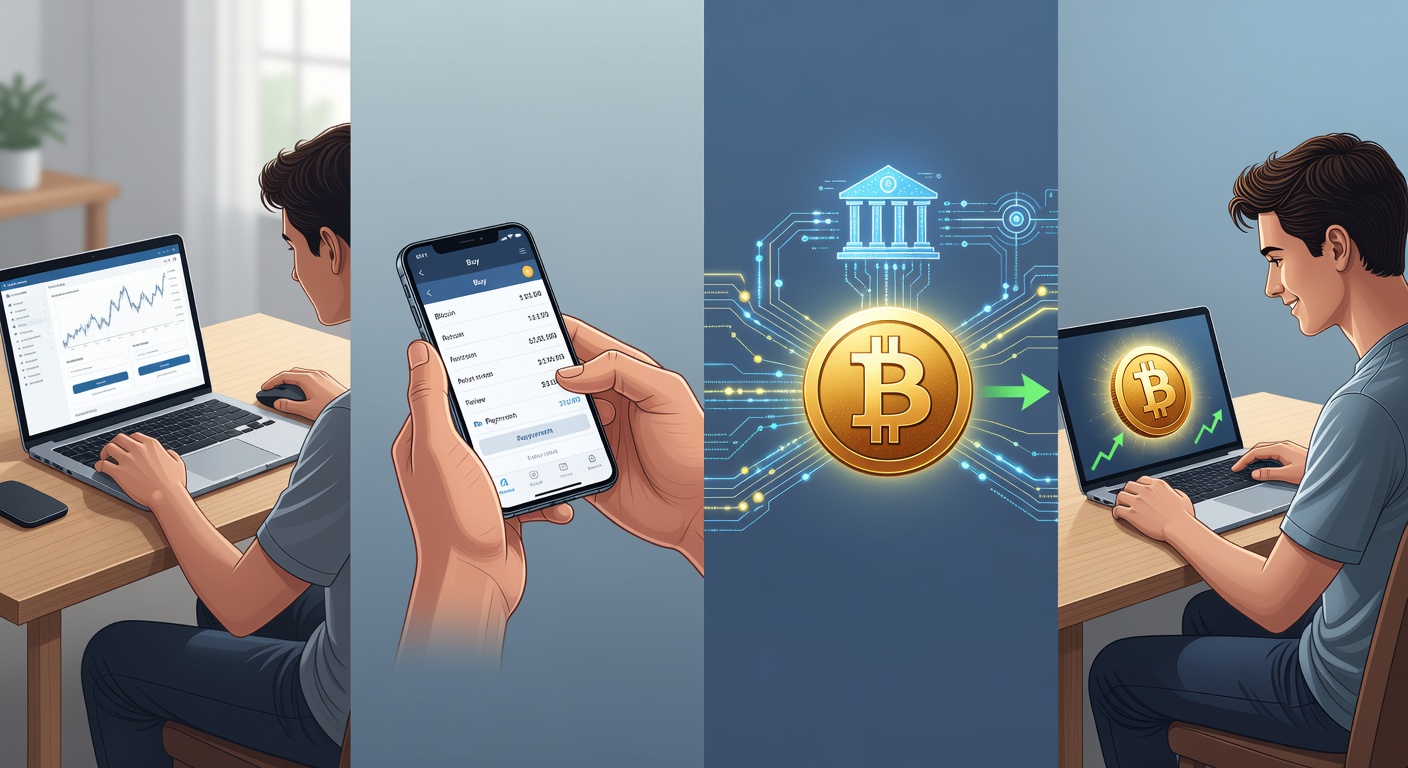
Before you start searching for how to buy bitcoin, take a moment to prepare your setup. Buying successfully is less about finding a “quick entry” and more about reducing avoidable risks—technical, financial, and behavioral. In my experience, beginners who plan first make steadier decisions later.
First, choose how you will buy. Common routes include a reputable crypto exchange, a broker that offers Bitcoin, or a peer-to-peer marketplace. Then confirm that the platform supports your country, accepts your payment method (bank transfer, card, or other options), and provides basic security features like two-factor authentication. This step answers the practical question of how do you buy bitcoin in a way that matches your situation.
Next, you need a secure place to hold Bitcoin. Many beginners keep coins on the exchange at first, but it’s important to understand the trade-off between convenience and control. If you plan to hold long term, consider moving funds to a self-custody wallet later. Hardware wallets typically offer stronger protection against account hacks and online threats.
Then, decide what you can afford to invest. Use a budget you are comfortable with during volatility; Bitcoin can move sharply in both directions. As part of risk management, many investors adopt a staged approach (for example, recurring buys) rather than trying to time the market. This discipline often leads to better outcomes than emotional timing.
After that, prepare the essentials for verification and access. Expect identity checks (KYC) and keep your personal details consistent across accounts. Also, create strong passwords and store recovery phrases offline. If you lose access, there is usually no “customer support” to restore funds.
Finally, align your expectations with the asset’s nature. Before you buy bitcoin, define your timeline, target holding period, and plan for risk—such as what would cause you to adjust or pause purchases. With these foundations in place, the step-by-step process becomes simpler, safer, and more reliable.
How To Choose A Bitcoin Exchange Or Broker
Once you understand the basic buying process, the next critical step is selecting the right platform. This decision directly affects fees, security, liquidity, and how smoothly you can execute your trades when you’re learning how to buy bitcoin. In other words, your “where” matters as much as your “when.”
First, evaluate fees in a practical way. Compare trading fees, withdrawal fees, deposit methods, and any spread costs. Even small differences compound over time, especially if you plan to buy bitcoin regularly (e.g., weekly or monthly). If a platform’s pricing is unclear, treat that as a warning sign.
Next, consider security and custody. Look for features such as two-factor authentication (2FA), withdrawal whitelists, and robust cold-storage practices. If you’re using a broker that holds your assets for you, confirm how custody works and whether they maintain insurance or segregation of customer funds. A common beginner mistake is focusing only on price while underestimating security risk.
Then assess liquidity and execution quality. High liquidity usually means tighter spreads and fewer failed orders. For beginners wondering, “how do you buy bitcoin” in real-world terms, reliable order execution and reasonable market depth are essential—particularly during periods of high volatility.
After that, review supported payment options and jurisdictional compliance. Choose platforms that accept your preferred deposit method (bank transfer, card, or ACH where available) and that follow local regulations. Regulatory compliance isn’t just legal—it often correlates with better transparency and fewer operational issues.
Finally, test the user experience before committing capital. Use small amounts to verify deposits, confirmations, order placement, and withdrawals. This step helps you confirm the platform aligns with your risk management approach, which is fundamental for long-term success in digital assets.
How To Fund Your Account Safely
After you have chosen a reputable exchange, the next step is funding your account—because safe deposits largely determine how smooth (and secure) your first Bitcoin purchase will be. In practice, most beginner mistakes are not about price selection, but about sending funds to the wrong place, using insecure payment methods, or ignoring basic platform safeguards.
To begin, confirm that your account details are correct before you transfer any money. Log in, verify your personal information, and ensure the deposit method you plan to use is supported in your region. Then, go to the “Deposit” section and select the exact asset and network you intend to fund. This matters: a mismatch between networks is one of the most common causes of irreversible losses.
Next, follow the exchange’s instructions precisely. If you are funding via bank transfer or card, review the timing and fees shown on-screen. If you are transferring crypto, double-check the withdrawal address format and the network (for example, sending on the wrong chain). As you prepare your transfer, consider starting with a small test amount—this simple step can answer the practical question, “how do you buy bitcoin” on that platform, by proving the deposit route works before scaling up.
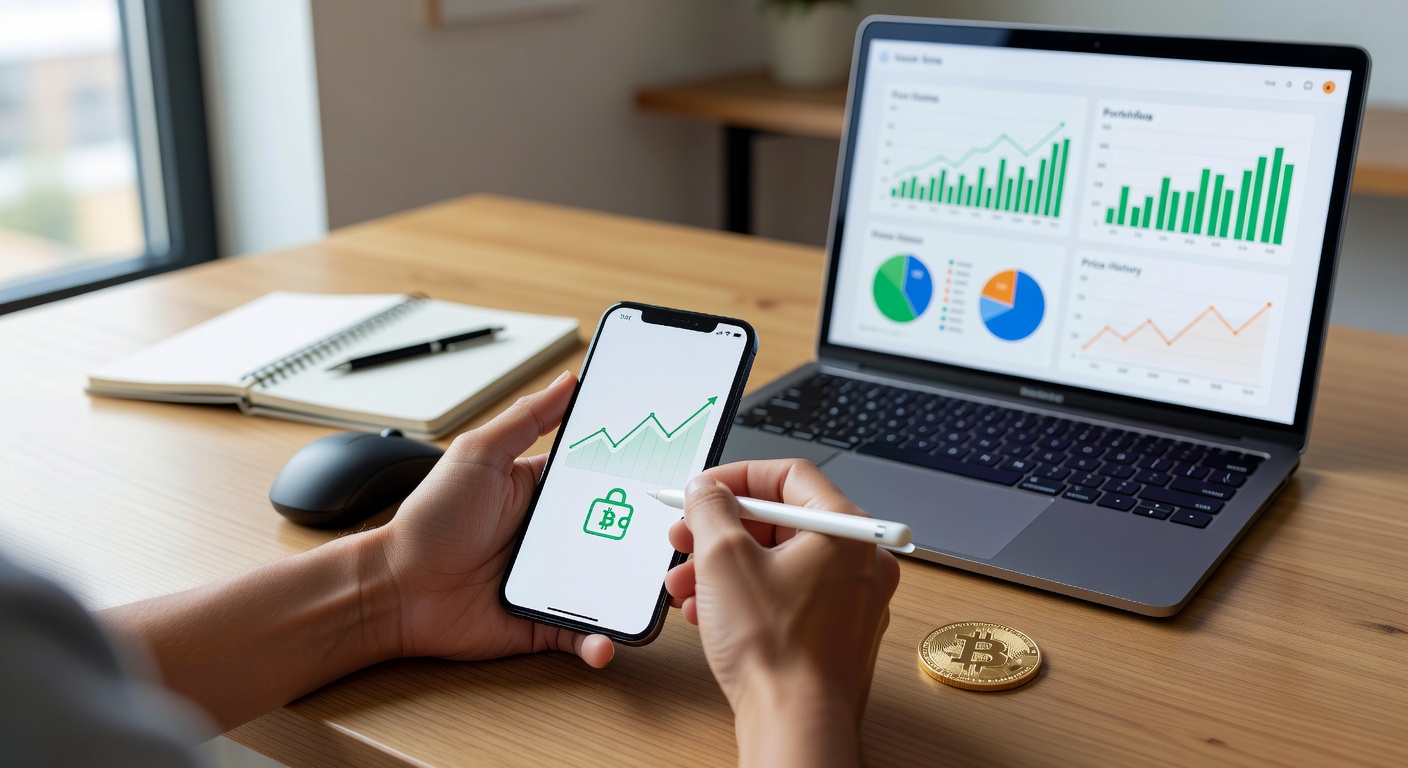
Meanwhile, strengthen your security settings before adding funds. Enable two-factor authentication (2FA), use a strong unique password, and consider withdrawing test transfers only after you complete identity verification (where required). Also, avoid third-party “support” links or unsolicited messages that request changes to your bank details or wallet addresses.
Finally, keep a clear record. Save transaction IDs, screenshots of deposit confirmations, and timestamps. This documentation improves troubleshooting if delays occur. Once your balance is credited, you can proceed to the next phase—placing your first buy order—using the same disciplined approach that helps protect capital across all market cycles.
What To Check Before Placing Your First Buy
Before you place your first order, take a short “pre-trade checklist.” This step is often overlooked by beginners, yet it directly reduces avoidable losses caused by hidden fees, weak custody choices, or unclear account security. In practice, thoughtful preparation is the difference between a confident first buy bitcoin and a rushed decision you regret.
First, confirm you understand the basic payment route available to you. Different platforms support different funding methods—bank transfer, debit/credit card, or crypto deposits—and the speed and cost vary widely. As a result, knowing the settlement timeline helps you avoid confusion about when your purchase is truly reflected in your account.
Next, evaluate the exchange or broker you plan to use. Look for transparent fee schedules (trading fees, maker/taker spreads, withdrawal fees) and clear minimums. Then verify regulatory posture and security features such as two-factor authentication (2FA), withdrawal whitelists, and withdrawal controls. If you’re asking “how do you buy bitcoin” for the first time, start by choosing the platform where you can confidently move funds in and out.
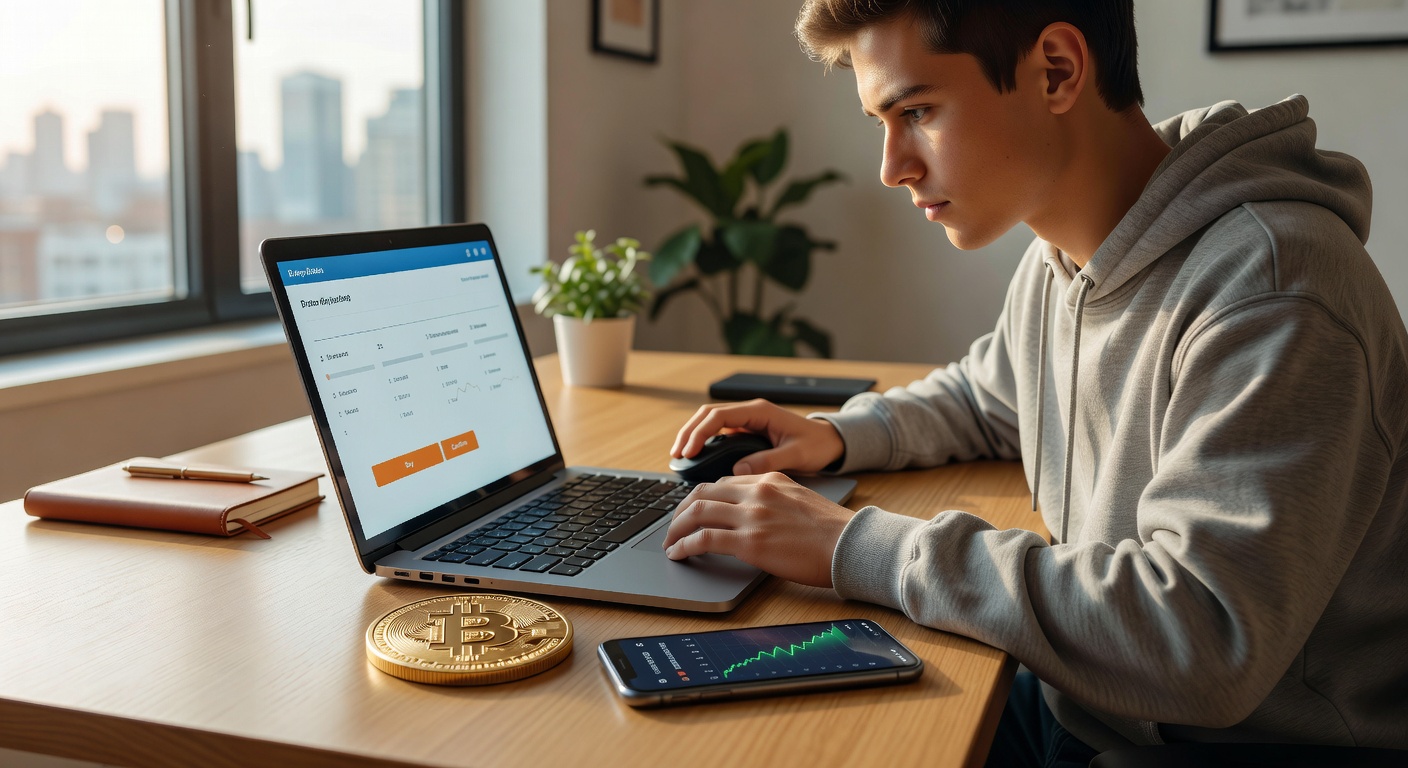
After that, decide what “holding” means for you. If your goal is long-term exposure, consider whether you will keep Bitcoin on the platform or transfer it to a self-custody wallet. Platform custody may be simpler, but self-custody can better align with long-term risk management—provided you can securely back up keys.
Finally, define your risk and order size before entering. Bitcoin can be volatile, so avoid allocating funds you may need soon. Use a staged approach (for example, small recurring buys) rather than attempting to time a single entry.
Once these checks are complete, you’ll be ready to execute your first trade with clarity. Now you can proceed to the next step: following a structured process for how to buy bitcoin step by step, while minimizing operational and market risks.
How To Store Bitcoin: Exchange, Wallet, Or Both
After you’ve learned the practical steps of how to buy bitcoin, the next critical decision is custody—specifically, where your BTC will be stored. In simple terms, you are choosing between an exchange wallet, a personal wallet, or a hybrid approach. This choice directly affects control, security, and your ability to manage risk during market volatility.
First, consider keeping Bitcoin on an exchange. Many beginners start here because it is convenient: funds are easy to access, and trading is typically seamless. However, because exchanges are centralized platforms, they introduce counterparty risk. If an exchange is compromised or experiences operational issues, your access to funds may be delayed or restricted. Therefore, while this approach can be acceptable for short-term trading, it is rarely ideal for long-term holdings.
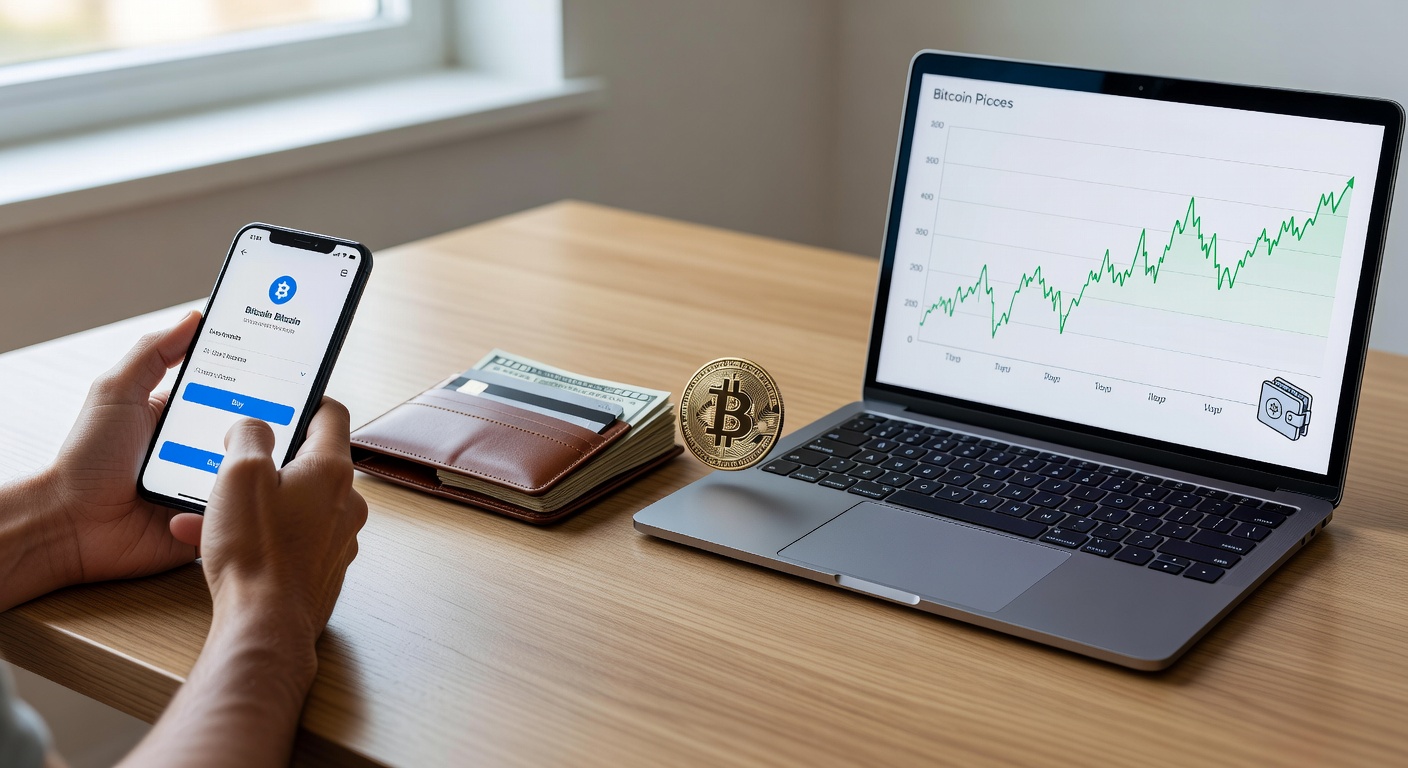
Next, personal custody via a Bitcoin wallet is usually the most security-focused route. Wallets can be either software (mobile/desktop) or hardware (physical devices). Hardware wallets generally offer stronger protection because they keep private keys offline. This matters because, in Bitcoin, control is determined by possession of private keys—not by a platform. If you’ve wondered “how do you buy bitcoin and then keep it safe”, the answer is often: withdraw to a wallet once your purchase is confirmed and you no longer need frequent exchange access.
Finally, many investors adopt both—an exchange for liquidity and a wallet for storage. This “split custody” strategy can reduce risk without sacrificing flexibility. For example, you might keep a small portion on the exchange for potential rebalancing, while transferring the majority to a personal wallet.
In practice, if your goal is long-term exposure, prioritize a wallet solution early in your buy bitcoin process. Then, review your setup periodically as your holdings grow and your trading frequency changes.
How To Manage Your Position After Purchase
After you complete the steps to buy Bitcoin, your most important work is not the purchase—it’s position management. Many beginners treat a Bitcoin entry like a one-time event, but in practice it is the start of an ongoing risk and decision process. Therefore, plan how you will monitor your exposure, manage volatility, and respond to different market scenarios before you need to.
First, confirm your strategy and sizing. Ask yourself: is this a long-term allocation or a short-term trade? Then set rules for position size based on risk tolerance, not optimism. As a simple framework, limit any single “must-win” bet and ensure your portfolio can withstand large drawdowns—because Bitcoin’s price can move sharply in both directions.
Next, consider your risk controls. If you’re wondering “how do you buy bitcoin” for beginners, the follow-up question should be how you manage downside after buying. Some investors use fixed levels (such as reducing exposure if price moves against their plan), while others rely on time-based discipline (for example, rebalancing rather than reacting daily). Either approach is acceptable, but the key is to define it in advance.
After that, establish a monitoring routine. Review the market periodically—weekly or biweekly is often sufficient for long-term holders. Focus on the factors that matter for your thesis: liquidity conditions, broader risk sentiment, and your own portfolio balance. Avoid checking prices constantly, since it can distort judgment and lead to impulsive decisions.
Finally, manage execution and custody. Keep your security practices consistent, verify that transactions completed correctly, and store keys using the method you can reliably maintain. Over time, rebalance when your allocation drifts beyond your target range.
In summary, buying Bitcoin is only the beginning. With clear sizing, predefined risk rules, and consistent monitoring, you improve the odds that your next decision—whether holding, adding, or trimming—remains research-driven rather than emotional.
Frequently Asked Questions
How much should I buy as a beginner—should I put a lump sum in right away?
If you’re new, I prefer starting with a size you can hold through volatility without stress. Then use dollar-cost averaging (small buys on a schedule) to reduce timing risk. Your “risk plan” determines the percentage; your time horizon determines whether you’ll average in or wait for specific levels.
What’s the best way to buy Bitcoin: limit orders or market orders?
For beginners, market orders are simple, but limit orders give you control over price and can reduce overpaying during fast moves. If spreads and liquidity are good, limit orders are usually my default. If you’re buying on a schedule, you can place limit orders at your planned execution price instead of chasing candles.
When should I move Bitcoin off an exchange to a wallet?
Think of exchanges as places to trade, not to store long-term. After your first buys, I usually recommend moving to a personal wallet once your position is meaningful and the withdrawal fee won’t hurt your plan. If you’re actively trading, keep only what you need on the exchange. If you’re investing, transfer sooner.
How do I avoid common Bitcoin buying mistakes like wrong network or address errors?
Always copy the receiving address from your wallet software and verify the first/last characters. For networks, double-check compatibility—Bitcoin transactions use Bitcoin networks, while some scams happen when users try “compatible” addresses across chains. Use test amounts: send a small “check” transfer first, confirm it, then send the rest.
Conclusion
Buying Bitcoin step by step is a straightforward process when approached methodically. The safest path starts with choosing a reputable exchange or broker, then verifying your identity and securing your account. Next, you add funds using a trusted payment method and place your first order by selecting the amount of Bitcoin you want to buy. After purchase, the final and most important step is deciding where to store it—either keeping it on the exchange if convenience matters most, or moving it to a personal wallet for greater control and security.
By following these steps—researching, selecting a platform, completing verification, funding your account, buying Bitcoin, and securing it properly—you reduce common risks and build confidence in your investment process.